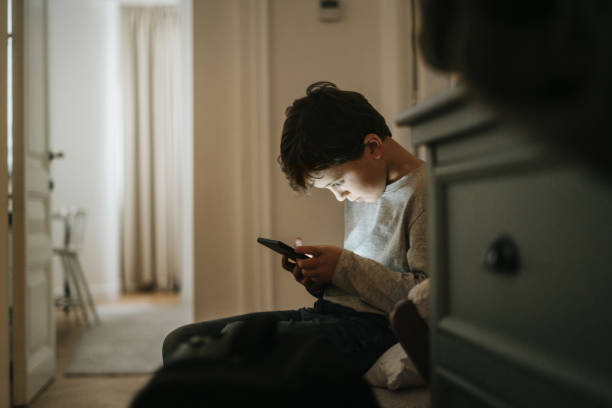


January always feels important to adults.
New schedules.
New rules.
New goals.
New expectations.

We talk about planners and routines and how this year is going to be different.
But kids experience January very differently.
They don’t experience it as a reset.
They experience it as a shift in emotional weather.
They notice the stress in the house returning.
They notice how patient adults are when things fall apart.
They notice whether mistakes feel safe or dangerous again.
Long before they understand grades or goals, children are learning something else entirely.
They’re learning how it feels to live inside the year.
January Sets the Emotional Tone, Not the Academic One
Parents often think January is when children “get serious” again.
School starts back up.
Work ramps up.
Life feels structured again.
But children aren’t watching calendars.
They’re watching reactions.
They’re paying attention to how adults handle pressure.
How frustration shows up.
How love behaves when things don’t go according to plan.
Years later, children won’t remember what their January goals were.
They’ll remember how it felt to be in the house while adults chased them.
That’s family culture.
And that’s what actually educates.
The First Habit Children Learn: How the Family Responds to Falling Behind
In the first few weeks of January, something always slips.
Someone misses a workout.
Someone breaks a resolution.
A child forgets homework.
A parent loses patience.
What happens next matters more than the goal itself.
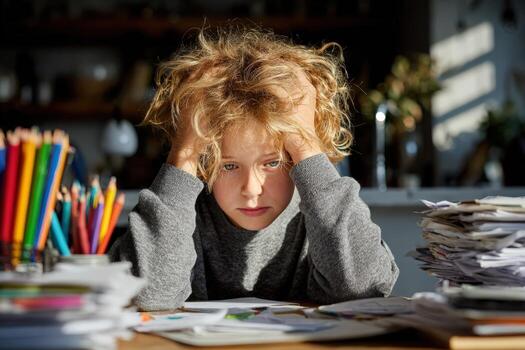
Children are learning:
Do we hide mistakes here or talk about them?
Is failure punished or understood?
Does disappointment lead to distance or repair?
These moments quietly teach kids how to treat themselves when they fall short later in life.
Not just in school.
In friendships.
In work.
In who they believe they’re allowed to be.
If January teaches that mistakes make you a problem, kids carry that forward.
If January teaches that mistakes are part of learning, kids carry that too.
The Second Habit: How Goals Are Spoken About
Kids listen closely when adults talk about improvement.
They hear conversations about weight.
Money.
Productivity.
Being better this year.
It’s not the goal that shapes them.
It’s the tone.
When goals are spoken about with shame, panic, or constant comparison, children learn that value is something to be measured.
They learn that love tightens when performance slips.
But when goals are spoken about with patience, curiosity, and realism, children learn something different.
They learn that effort is safe.
That growth isn’t rushed.
That worth doesn’t disappear when progress is slow.
This shapes motivation far more than any planner or routine ever will.
The Third Habit: Whether the Home Feels Calm or Tense
January is usually when pressure sneaks back in.
Schedules get tighter.
Work demands return.
School expectations pile up.
Parents feel behind before the year has even settled.

Kids absorb all of this emotionally, even if no one says a word.
A tense house creates anxious kids.
A steady house creates resilient ones.
That’s not about parenting perfectly.
It’s about emotional consistency.
The emotional tone of January becomes the emotional tone of the year.
The Trap Parents Fall Into
There’s a quiet belief many parents carry in January.
“If I push harder now, my child will do better this year.”
It makes sense.
It comes from care.
But what often happens instead is that children learn whether love is attached to performance.
They learn whether approval feels stable or conditional.
That lesson lasts longer than any academic habit.
And it doesn’t come from one big moment.
It comes from hundreds of small reactions.
Reframing What January Is For
January doesn’t need to be about fixing children.
It doesn’t need to be about optimizing them.
Or turning them into a better version.
January is a chance to reset something else.
How mistakes are handled.
How goals are discussed.
How safe it feels to try.
Because children don’t grow into who we lecture them to be.
They grow into the emotional environment they live inside.
If January teaches steadiness, patience, and repair, the rest of the year has a very different foundation.
And that’s the real curriculum children carry with them.
Not grades.
Not resolutions.
But the feeling of being supported while learning how to become.