The Natural Circulation of Free Books and Its Role in Educating Our Kids (and Us)
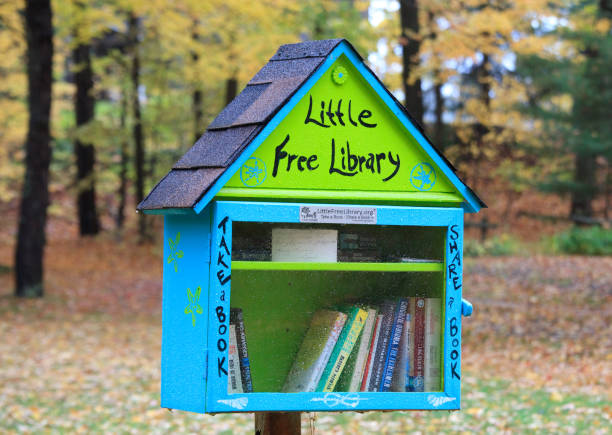
Take a book, leave a book. This is the simple concept of the tiny library, officially registered as the Little Free Library.
When 76-year-old Johnathan Beggs built a tiny library in front of his California home, he met more neighbors in the first three weeks than in the previous thirty years. Ever since, he’s watched his own little library turn strangers into friends.
More than 120 million books have been shared worldwide via tiny libraries. And that’s all because of people like you, me, and Johnathan.
How It Works
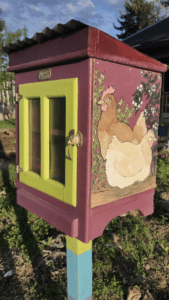
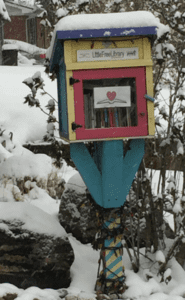
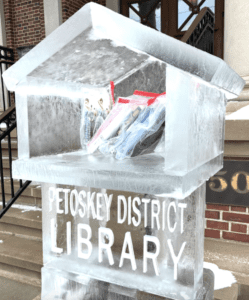
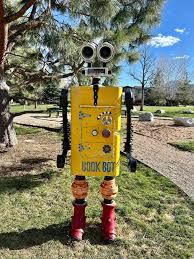
They look like little houses or mailboxes and are often painted colorfully or made structurally unique, and can be found scattered in neighborhoods and cities.
Often geared towards kids or specific groups of people, they’re crucial for the socialization of our children and for generations to come. They allow for the uncensored circulation of prose, poetry, literature, and information through diverse community interest.
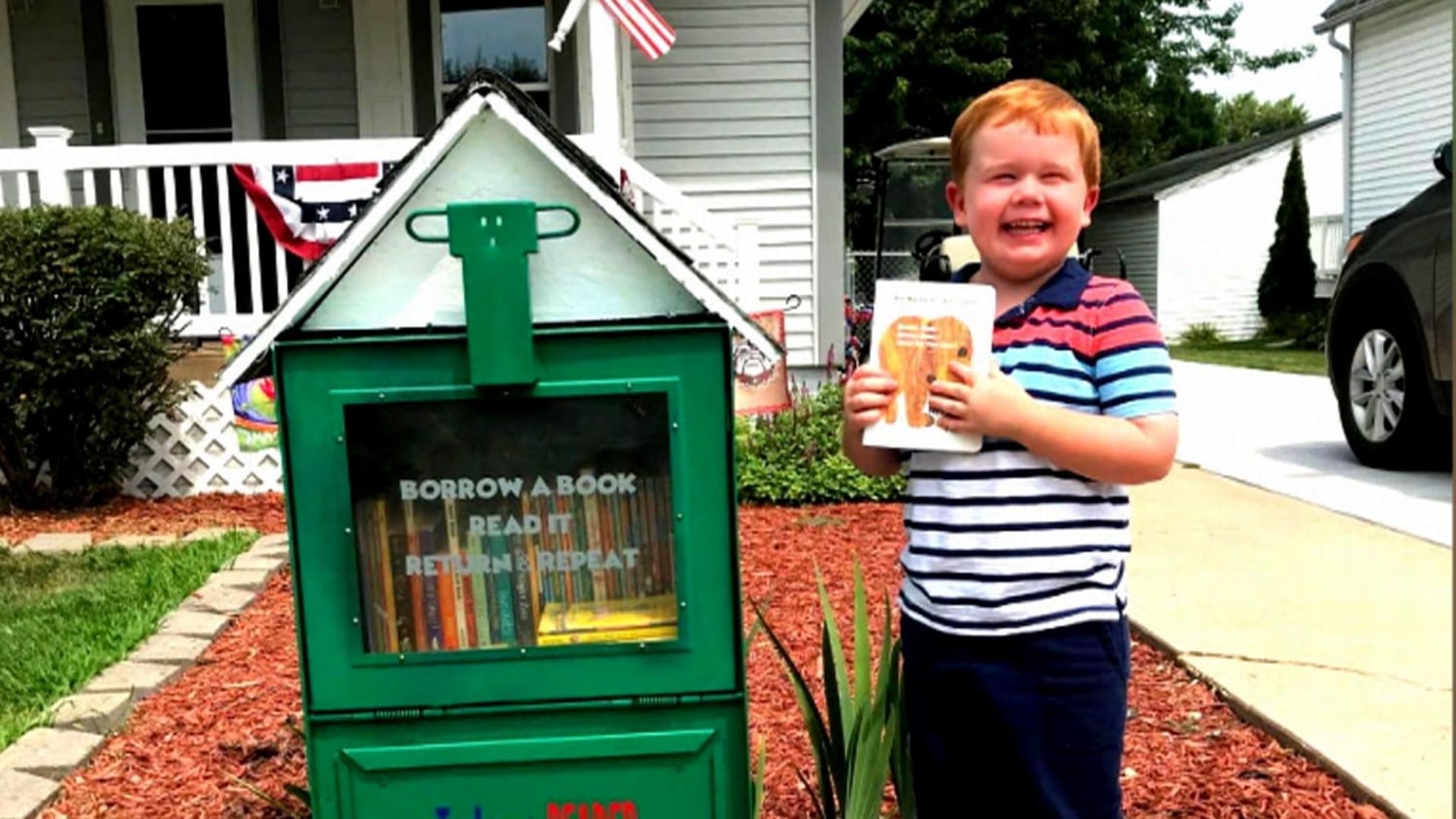
During the COVID-19 shutdown in early 2020, community members around the US started utilizing their tiny libraries to offer canned goods, nonperishable food items, and other necessities.
Some people have even built boxes inspired by this movement and have since turned them into libraries, places for the exchange of art, poetry, objects, and ideas.
The government shutdown in 2025 reignited similar patterns.
Todd H. Boll built the first Little Free Library in 2009 in memoriam of his mother.
The nonprofit program now includes a registry of Tiny Library locations across the US. Not every Tiny Library is registered, promising a spontaneous encounter with an otherwise undiscovered little library. The creativity, curiosity, placemaking, and community building involved with this process are largely beneficial in adolescent development.
A Little Free Library is a creative and community-building practice that’s transformed into a nationwide phenomenon. There are Little Free Libraries in all 50 states, in 91 countries, and on every continent except Antarctica.
Why It Matters
Individuals of all ages and identities can take from or add to a tiny library, which allows information to circulate naturally. You never really know what you’ll find inside.
Some of my favorite books in the world I’ve found randomly in a book hutch.
There are endless benefits to introducing kids to the concept of tiny libraries early in their development, primarily increasing childhood literacy rates, engaging with and supporting your community, and strengthening connection to physical media.
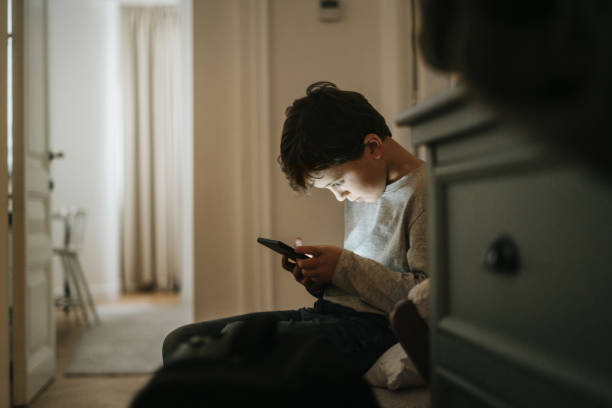
Reading is a great way for individuals of all ages to engage in a screen-free activity outside of school hours, and these little libraries give them access to that. Not all families have access to a public library.
This is a way to bring that joy found on a library shelf directly to a neighborhood.

Encouraging literacy outside of school hours is a no-brainer for raising socially adept kids. Child literacy tends to be much higher when they see their parents and siblings reading in their free time, opting for a book instead of the iPad.
Setting that example is arguably crucial to this process working. Your kids copy what you do.
Upkeep and interaction with community book hutches is another avenue to teaching kids community and responsibility early. It works against social isolation, which is another significant consequence of our use of technology. Tiny libraries bring communities together and turn strangers into friends.
They also encourage reading and engagement with physical media, which are great ways to get your kids (and you) off the screen.
Physical media encourages creativity, and it’s better for our brains. Our phones are doing more damage than we realize to our long-term attention-holding skills and social development, as comfortable as using them might feel. Reading is a fun screen-free activity that helps kids discover their interests through creative outlets such as storytelling, creating art, or music.
Getting Involved
Many tiny libraries are registered online, locatable on an interactive map and database of every registered library in the world.
But there are plenty of these tiny libraries that aren’t registered, and they’ve been channeling books, ideas, and more for years. They thrive off happenstance and arguably function better when they’re not on the map anyway.
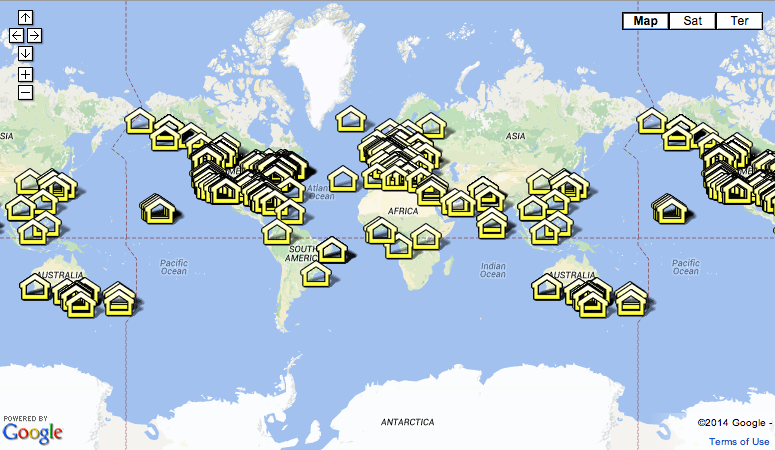
If you’re looking for a tiny library near you, check out the Little Free Library world map. Or go for a walk and see if you can find one. They could be hiding anywhere.
Building your own and registering it is super easy, too. Here are some more great examples to inspire you.
Supporting the little library movement means supporting child literacy and exploration of genre and social context. Please expose your kids to this.
Some of my favorites: