
Every school year, something shifts.
You don’t really notice it at first. Maybe the seating chart changes. Maybe your best friend joins a new club. Maybe you just stop seeing the same people every day. But little by little, everything feels different.
When I think about my childhood, I can almost map it by the people I sat next to.
Each group marks a chapter.
When Friends Started to Drift
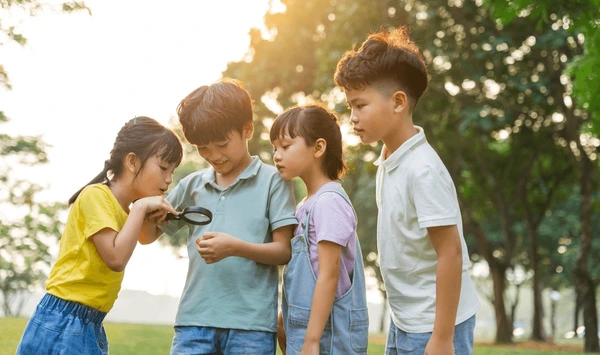
Back in elementary school, my best friends were the kids I played sports with.
We’d race each other at recess, chase stray balls, and argue over who got to pitch. Then one year, they joined travel teams I couldn’t. Weekends came and went, and suddenly, I was on the outside looking in. Recess felt quieter.

In middle school, the shift hit harder. Our school divided classes by level, and a lot of my friends ended up in different hallways.
I’d pass them between periods, wave, maybe exchange a quick joke, but that was it. I made new friends, sure, but I never felt completely settled. It was like being stuck between two versions of myself.
By high school, I kind of expected it. Every year brought a new shuffle with different classes, goals, and people. Some were chasing varsity spots or college credits. Others got into art or theater. I bounced between groups, trying to stay connected, but it always felt like the ground was shifting beneath me.
It hurt more than I let on. I’d see old friends hanging out without me and wonder if I did something wrong. Was I too quiet? Not interesting enough? Did I change, or did they?
What I Didn’t See Back Then
Looking back, I get it now. The changes weren’t a punishment. They were just part of growing up.
According to author Jessica Speer, nearly two-thirds of middle school friendships change within the first year.
By senior year, only about one percent of those early friendships still exist. At first, I thought that sounded sad, but it’s also freeing. We change, and our friendships change with us.
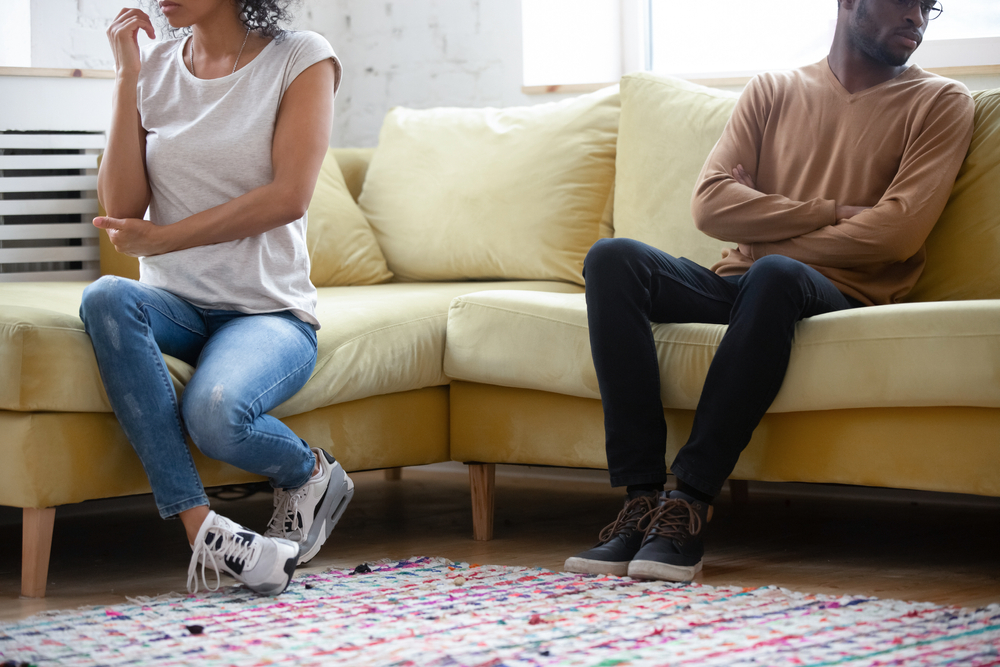
Still, when you’re a kid, it feels personal. A friend drifting away can feel like a small heartbreak, even when no one meant for it to happen.
The Lonely Middle
There was one fall that stands out.
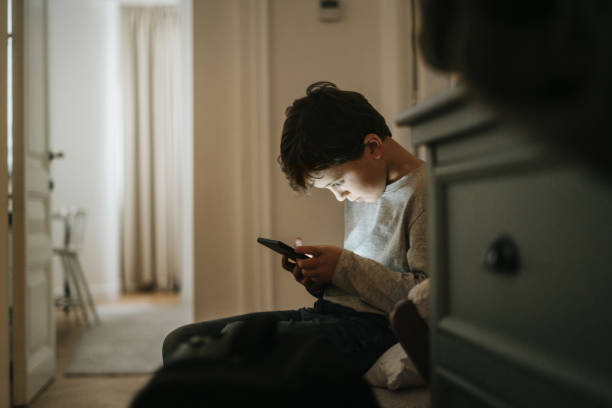
My old friends were busy with sports, and I was getting more into writing and student leadership. I didn’t fully belong anywhere. Lunch became the longest 30 minutes of my day. I’d walk slow laps around the courtyard, pretending to text so I didn’t look alone.
That loneliness stayed with me. But weirdly, it also helped me grow.
It forced me to figure out who I was without depending on anyone else. I started going to new clubs, meeting new people. One of those people, someone I barely knew at the time, became one of my closest friends later on.
It took a while to see it, but every friendship, no matter how long it lasted, taught me something about who I was becoming.
What Parents Can Do
When kids lose or outgrow friends, parents want to fix it. But what kids really need first is someone to listen.
If your child comes home and says, “My best friend doesn’t talk to me anymore,” it’s tempting to jump in with “You’ll make new friends.” But that skips the feeling part.
What helps more is saying, “That sounds really hard.”

The Smart Love Center talks about how kids feel safest when they know they’re loved exactly as they are, not when they act a certain way or fit into a certain group.
When kids feel secure at home, they’re less shaken by what happens with friends at school.
You can remind them that friendship shifts are normal. People grow. Schedules change. It’s not about being left behind. And when the social world outside feels shaky, home can be the one place that doesn’t.
What I’ve Learned Since
Losing a friend doesn’t mean the friendship didn’t matter. Those memories still count. They still shaped me.
Now I see friendships like seasons. Some last years, some fade faster, but each one teaches you something—how to listen, how to forgive, how to let go.

If I could talk to my younger self, I’d tell myself that I didn’t do anything wrong.
It’s okay to miss them.
And the right people will always find their way back.
Because they do. Every time.