

Every year, September feels like a reset button.
New classes, new notebooks, and a burst of motivation. Parents feel it too. There is structure again, early mornings, packed lunches, and the excitement of fresh starts. But then October hits.
The rhythm that once felt productive starts to feel heavy. The spark fades, the to-do lists grow, and everyone, kids, parents, teachers, starts to drag their feet.
I have felt that slump myself.

In school, October was always the month where everything caught up to me. The excitement of a new year wore off. Homework got harder. Clubs got busier. Sleep disappeared. By the middle of the month, I was not motivated anymore. I was managing. I would stare at assignments for hours and feel like my brain was running on low battery.
Now that I am older, I can see what was happening. It was not laziness. It was burnout.
Why the Glow Fades
Experts call it the “October Slump.” According to Boys Town Parenting, kids start strong in August and September, but by mid-semester, the excitement turns into fatigue. Routines are set, grades start to matter, and the novelty of the new school year fades.
Teachers feel it too. They have spent weeks building routines and managing classrooms, and now everyone’s energy dips at once.
For students, this is when small frustrations grow louder. The homework feels endless. Friendships shift. Sports and after-school activities crowd the calendar. It is no surprise that focus, motivation, and patience drop across the board.
For parents, it is the month when every part of the schedule starts to feel like work.
What I Remember from My Own October
In middle school, I used to start strong every fall. My backpack was organized, my grades were perfect, and I was sure I would keep it that way. Then October came, and I crashed. I started staying up later to finish work, waking up tired, skipping breakfast, and losing focus in class.
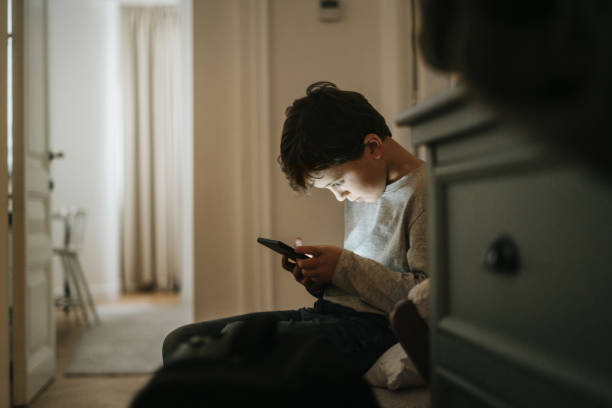
My parents did not always notice it right away. I did not either. It did not look dramatic, it looked like exhaustion. But small things added up. My grades slipped a little. I stopped wanting to go to practice. I spent more time scrolling on my phone.

Looking back, that slump was not about effort. It was about balance. I was doing too much, and nothing was fun anymore.
What Parents Can Watch For
When the early-school energy wears off, burnout shows up quietly. Here are a few signs:
Homework takes longer than usual.
Your child is more irritable or withdrawn.
Mornings become harder, and motivation drops.
Activities that used to excite them feel like chores.
According to Boys Town’s experts, this is when parents should slow things down, not speed them up. Kids need structure, but they also need space to breathe.
How to Ease the October Slump
1. Rebuild Rest.
Sleep is the foundation of focus and mood. Revisit bedtime routines and protect rest like you protect grades.
2. Simplify the Schedule.
If every weeknight feels rushed, try cutting one activity or one homework session short. Sometimes less structure leads to better energy.
3. Stay Involved Without Pressure.
Ask your child how they are feeling about school, not just how they are performing. It is okay if they say they are tired of it. Naming that feeling helps them manage it.
4. Make Home Feel Predictable.
Kids handle change better when home feels steady. Eat dinner together when you can. Keep small rituals like movie nights, walks, or shared meals. They anchor the week.
5. Talk to Teachers Early.
Do not wait until report cards. Teachers often see burnout before parents do. A quick check-in can help spot patterns and lighten the load.
What I Would Tell My Younger Self
You are not lazy for feeling tired. You are human.
The October slump does not mean you are falling behind. It means you are adjusting. The pace that worked in September does not always work in October. Learning how to rest, reset, and start again is part of growing up.
Now, when I feel that mid-semester fatigue in my own work, I remember that lesson. The glow fades, but it does not mean the light is gone. It is a sign to slow down, breathe, and build a rhythm that lasts.