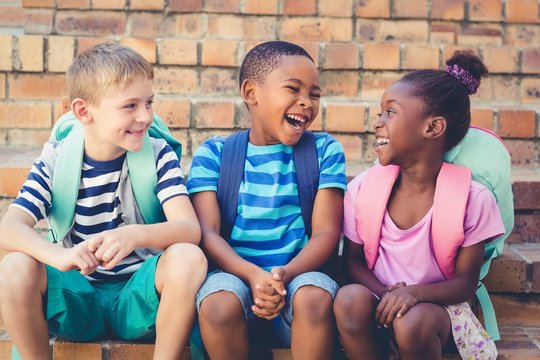
We want our kids to be kind.
To laugh. To feel like they belong.
And yet, for so many children—especially after the pandemic years—making friends can feel like an uphill battle. If your child struggles to connect socially, you’re not alone. And you’re not powerless.
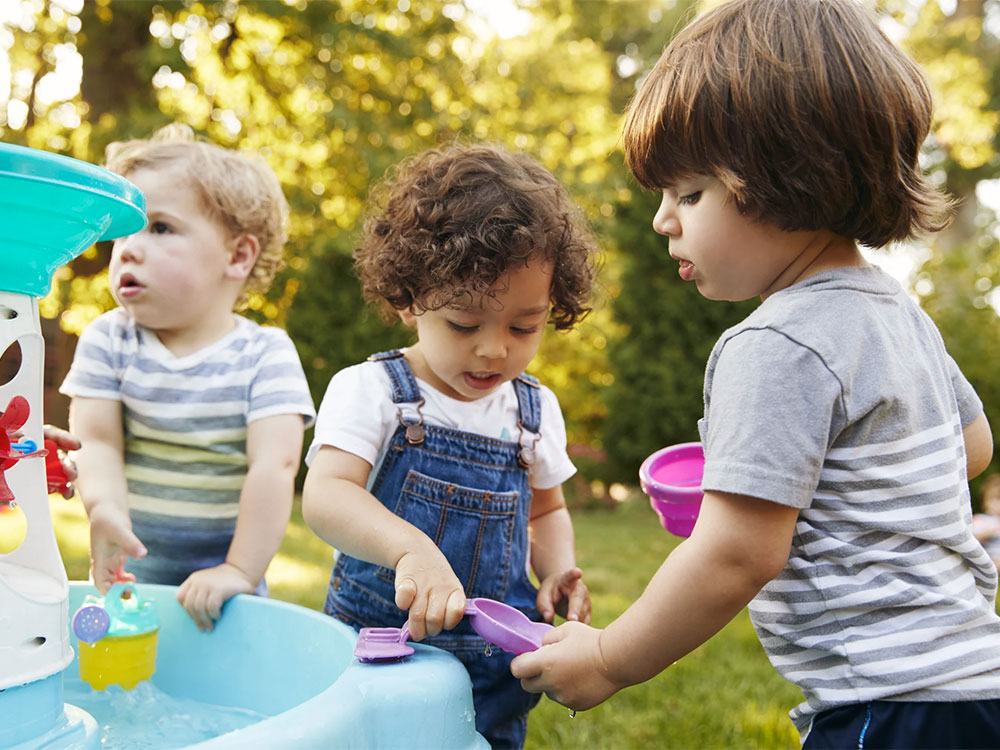
At A Tiger Cub, we believe friendship is more than just playdates and playground politics.
It’s an essential life skill that, like any other, can be nurtured, modeled, and practiced. Let’s explore how parents can help children build meaningful friendships—without forcing them to become someone they’re not.
Start at Home: Model Friendship in Action
Friendship begins with relationships at home. Kids learn social skills by watching how we interact:
- Practice empathy: Treat your partner and children with kindness and fairness.
- Show curiosity: Ask your child about their thoughts, feelings, and interests daily.
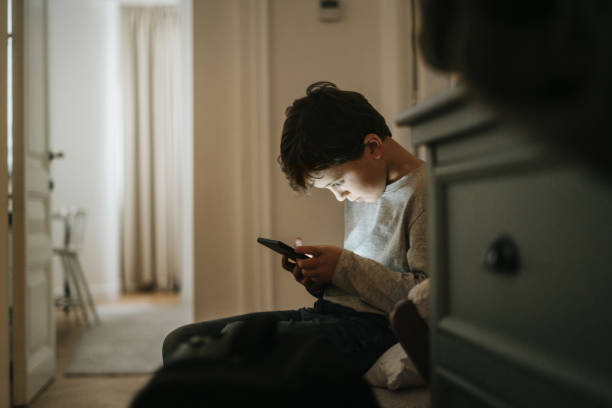
- Talk, don’t scroll: Put down the devices during meals and talk together.
- Work together: Do chores, play board games, or cook a meal together to teach turn-taking and cooperation.
Tiger Tip: Be mindful of how you talk about people. Kids internalize those cues.
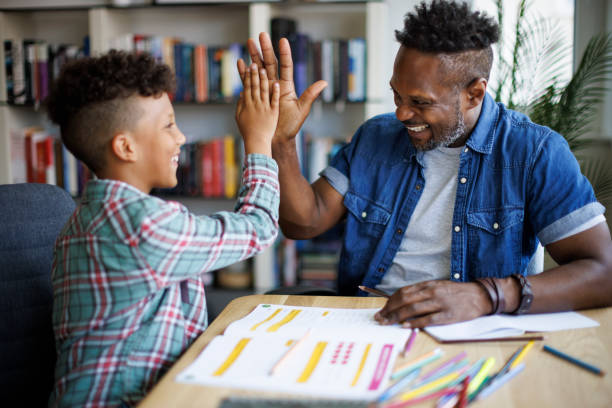
Emotion Coaching: The Heartbeat of Social Skills
Big emotions can block small moments of connection. When your child feels anxious or upset, don’t rush to fix it or dismiss it. Instead:
- Name the feeling (“It looks like you’re feeling nervous about recess.”)
- Validate it (“That makes sense. It can be hard to approach a group.”)
- Problem-solve together (“What’s one small thing we could try tomorrow?”)
Kids who understand their own emotions become better at reading others’. That’s the foundation of empathy.
Help Them Practice Conversation
Friendship isn’t just about being nice. It’s about being engaging, curious, and fun to be around. But that takes practice.
- Teach active listening: Face the speaker, make eye contact, nod, and respond.
- Practice back-and-forth talk: Share stories, not just questions.
- Roleplay greetings, invitations, and exits (“Hi, want to play?” / “Thanks for playing, see you tomorrow!”)
Tiger Tip: Introverted or shy? That’s okay. Focus on quality over quantity. One true friend is enough.
Create Opportunities (But Don’t Hover)
Your child doesn’t have to do this alone. You can:
- Arrange playdates or outings with classmates they mention.
- Choose cooperative activities (like crafts or baking) instead of competitive ones.
- Involve teachers: Ask them to gently pair your child with potential buddies.
Give your child space during social events. Intervene only if absolutely necessary (e.g., bullying or isolation).
Teach the Subtler Social Skills
Making friends is more than making introductions. Children need to learn:
- How to apologize and repair mistakes
- How to compromise and take turns
- How to recognize when someone doesn’t want to play—and that it’s not a reflection of their worth
These skills often come naturally for some, but many kids benefit from concrete modeling and real examples.
Watch for Deeper Struggles
Sometimes friendship challenges are symptoms of something deeper:
- Social anxiety
- ADHD or neurodivergence
- Past peer rejection or trauma
If your child seems stuck in patterns of isolation, meltdowns, or sadness around social situations, don’t hesitate to loop in a pediatrician, therapist, or school counselor.
Most Importantly: See the World Through Their Eyes
Some kids are sensitive. Others are bold. Some want a dozen friends; others prefer one.
Let your child lead.
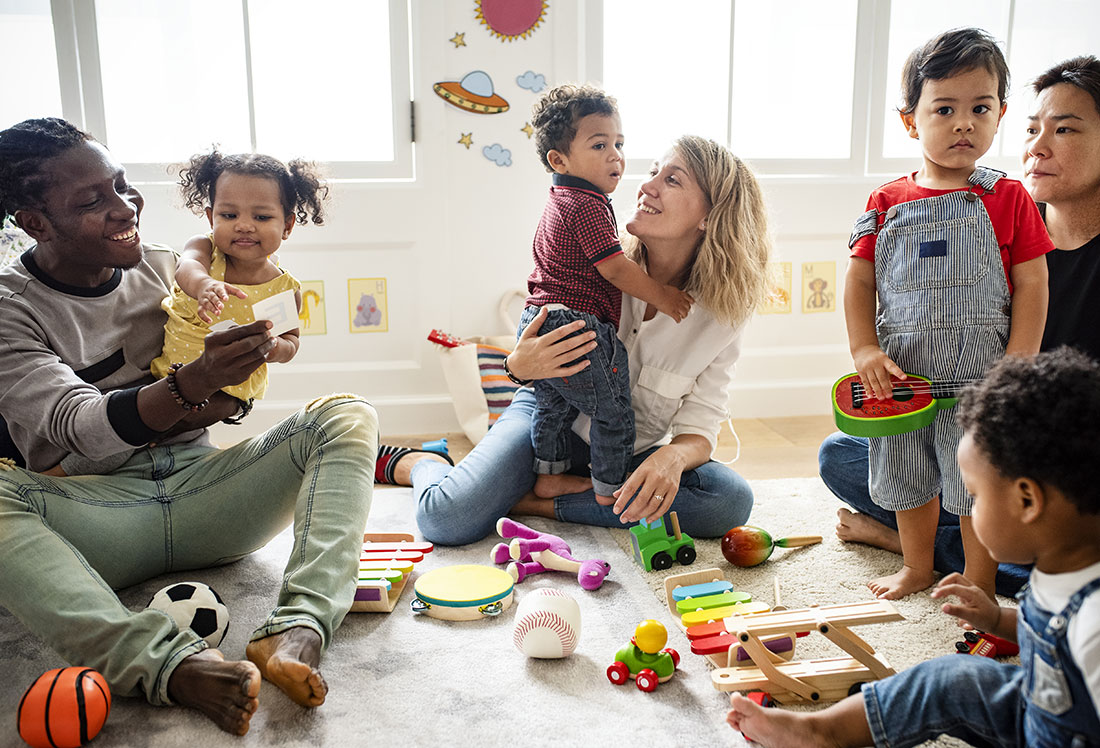
Your job is not to mold them into a social butterfly. It’s to equip them with the tools to find people who accept them as they are.
Because friendship isn’t just about fitting in. It’s about feeling safe, seen, and valued.
And isn’t that what we all want?