


For a long time, I thought family culture was something obvious.
I thought it was holidays. Traditions. The things you do on purpose.
I didn’t realize that most of it was happening quietly, in the background, while I was focused on school, friends, and just getting through the year.
Growing up, my family changed constantly.
Some years felt heavy. Some felt calmer. Some were defined by arguments, others by routines that kept us steady. There were stretches where we felt close, and stretches where everyone seemed tired, stretched thin, or emotionally distant.
At the time, none of it felt like “culture.” It just felt like life.
Changes You Don’t Notice Until Later
There were years when religion felt central in my family, and years when it barely came up at all.
Some years, cultural traditions felt grounding. Other years, they felt confusing, half-practiced, or something we didn’t quite know how to carry forward.
Beliefs shifted. Perspectives changed. Our priorities moved around.
I didn’t stop to think about what those shifts meant. I didn’t ask why certain values felt stronger at different points in time, or why some things slowly faded without anyone making a decision about it.
I was just living through it.
I assumed the important parts would stay clear in my memory. I assumed I would always remember how certain years felt — what was hard, what was changing, and why.
I didn’t think reflection was necessary.
What Fades When You Don’t Pay Attention
Now, when I look back, I realize how much I’ve forgotten.
I remember events. I remember arguments. I remember phases.
But I don’t always remember the emotional meaning behind them. I know my family used to fight a lot. I know things eventually became calmer and happier. But if someone asked me exactly when that shift happened, I’d struggle to answer.

I’d estimate.
And that feels strange — having to guess about your own life.
When you don’t reflect in real time, memory turns into fragments.
You remember what happened, but not always what it taught you. You remember the conflict, but not the growth that followed.
Watching Relationships Quietly Mature
My sister and I used to clash constantly.
We argued over small things. We misunderstood each other. We both wanted independence but didn’t know how to express it without pushing back. Over time, that tension softened. Not because we talked it out in one big moment, but because we grew up.
Our relationship matured slowly. We learned when to let things go. We learned how to support each other without needing to be close all the time.
The same thing happened in my family as a whole.
There were years when conflict felt like the default. Stress lingered. Emotions ran high. And then, gradually, something shifted. Not because life became easier, but because we became better at handling it.
No one marked that change.
No one wrote it down.
But it mattered.
Why Family Culture Is More Than Traditions
Family culture isn’t just what you celebrate.
It’s how your family responds to stress.
It’s how conflict is handled — or avoided.
It’s what gets forgiven and what lingers.
It’s how love shows up when words don’t.
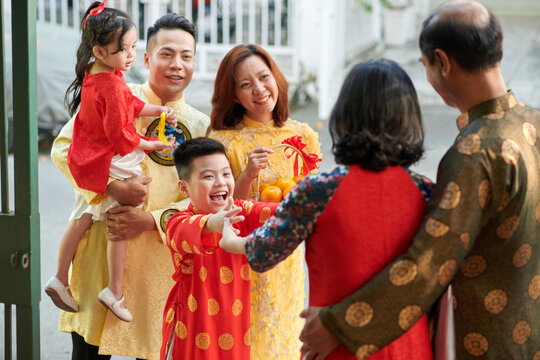
These things evolve year by year, shaped by experiences, losses, growth, and time. And when we don’t notice them, we don’t lose them — but we lose clarity.
Later, when we try to understand who we’ve become, we’re left piecing together a story from memory alone.
Thinking About the Future, Looking Back
Now that I think about becoming a parent one day, I wish I had paid more attention.
I wish I had reflected more intentionally.
I wish I had tracked how certain years felt.
Which values mattered most at different stages.
What I admired about my parents during hard seasons.
What I promised myself I would carry forward.
Not to judge the past — just to understand it.
Because when you don’t document those things, they don’t disappear — but they lose their shape.
And when you want to build something intentional in the future, you’re left guessing what mattered most.
Honoring Growth, Even If You Missed It
Most families don’t document their culture as it’s happening.
They survive years. They grow through them. They adapt. And only later do they realize how much changed along the way.
If that’s you, it doesn’t mean you did something wrong.
It just means you were busy living.

Family culture doesn’t need to be perfectly preserved to be meaningful. But it does deserve to be noticed — even retroactively.
Sometimes, honoring it simply means paying attention now.
Naming what changed.
Understanding why things feel different.
Recognizing growth where there used to be tension.
A Quiet Invitation
At A Tiger Cub, we believe family culture isn’t something you build all at once.
It grows quietly — through joyful years, difficult years, and years you barely make it through. It lives in the patterns you repeat, the values that stick, and the ways you learn to love each other better over time.
You don’t need perfect records.
You don’t need flawless traditions.
You just need intention — even if it comes later.
Because every family has a culture worth noticing.
Even the ones that changed without anyone realizing it at the time.