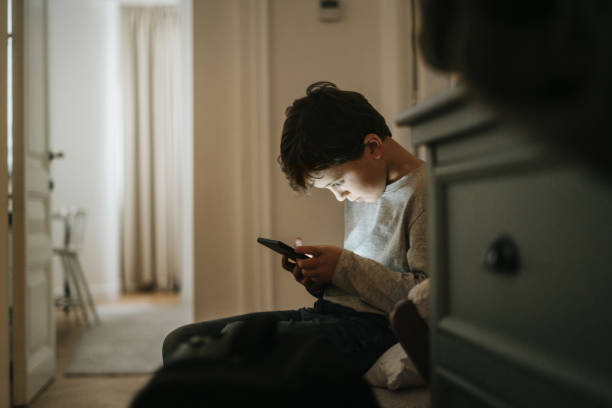


I’ve always found the phrase “quality time” a little misleading.
Not because it’s wrong, but because it makes connection sound scheduled. Like something you can block off on a calendar, protect for an hour, and then move on from once it’s done.
Kids don’t experience time that way.

They don’t register connection in neat chunks.
They feel it in moments adults don’t plan for.
A random question in the car.
An offhand comment while you’re doing the dishes.
The pause before bed when the house finally gets quiet.
Those are the moments that stick.
Why “quality time” misses the point
When adults talk about quality time, we usually mean this:
Phones away.
Everyone present.
Something intentional planned.
And that can be great. I’m not against it.

But what often happens is parents start using “quality time” as a substitute for availability.
As if one good hour can make up for the rest of the day being emotionally distant.
Kids don’t think like that.
They don’t keep score. They don’t say, “Well, we played a board game on Sunday, so I won’t need anything else this week.”
They’re constantly scanning for something else.
Are you open right now?
Are you listening or just nearby?
Is this a good moment to say what I’m thinking?
Connection, for them, is about access.
Kids notice presence before planning
You can be in the same room as a child for hours and still feel far away to them.
They can tell when you’re tired but trying.
They can tell when you’re half listening.
They can tell when your mind is somewhere else.
And the hard part is this: kids usually stop trying before adults notice.
They test the waters quietly.
A small comment.
A casual question.
A half-joke that’s actually a feeling.
If those moments are brushed past enough times, they don’t escalate. They disappear.
Not because the child stopped caring, but because they learned when not to speak.
The moments that actually build connection
Most of the connection I remember growing up didn’t happen during planned family time.
It happened:
In the car, when there was nothing else to do but talk.

In the kitchen, while someone was cooking and I was hovering.
Late at night, when things felt calmer and less performative.
Those moments worked because they weren’t announced.
No one said, “Okay, now we’re connecting.”
There was no pressure to say the right thing or feel a certain way. It just happened because someone was available.
That availability matters more than duration.
Emotional availability beats perfect presence
Parents often ask how to be more present without burning themselves out.
The answer isn’t doing more.
It’s being reachable.
Being the kind of adult a child can interrupt.
Being someone whose attention doesn’t feel fragile.
Being calm enough that emotions don’t feel like a burden.
That doesn’t mean always dropping everything. It means signaling safety.
Sometimes that looks like saying, “I’m tired, but I’m listening.”
Sometimes it’s putting the phone down when it wasn’t planned.
Sometimes it’s staying in the conversation a minute longer than you intended.
Those small choices add up.
Why kids open up at inconvenient times
There’s a reason kids bring things up right before bed or right as you’re about to leave the house.
It’s not because they’re trying to be difficult.
It’s because that’s when they feel the least pressure.
The day is over.
Expectations are lower.
The world feels quieter.
They’re not performing anymore.
Those moments don’t fit neatly into a “quality time” block. But they’re often the most honest.
Quantity matters, but not how we think
This isn’t an argument against spending time together.
Kids do need quantity.
But not the kind that’s filled with distraction or obligation.
They need enough shared time that connection has room to happen naturally.
You can’t force those moments. You have to create conditions where they’re possible.
That means:
Less rushing.
Less multitasking.
More openness to interruption.
It means choosing presence in small, ordinary moments instead of saving it for something special.
What kids actually remember
Kids don’t remember how often you tried to connect.
They remember how it felt when they did.
Did it feel safe to talk?
Did it feel okay to be messy or unsure?
Did it feel like someone had time for them, even briefly?

That’s what stays.
Not the label.
Not the activity.
Not the perfectly planned hour.
Just the feeling of being met.
Reframing “quality time”
Maybe the problem isn’t quality time itself.
Maybe it’s the idea that connection can be contained.
Connection is less about carving out the perfect moment and more about not closing the door on the imperfect ones.
Kids don’t need us to be available all the time.
They just need to know when they reach for us, someone’s there.
At A Tiger Cub, we believe family connection isn’t built through grand gestures or perfect routines.
It’s built through everyday availability.
Through missed plans and quiet pauses.
Through listening without fixing.
Through showing up in moments that don’t look important at first.
Because to a child, those moments are everything.