
When I think about my childhood, what stands out most isn’t the big events.
It’s the small, ordinary moments, the ones where everyone was really there.
My family always ate dinner together.

No phones, no TV, no distractions. Just food, conversation, and the sound of chopsticks clinking against bowls. My parents were strict about that rule; technology was banned at the table. At the time, I didn’t realize how rare that was.
We went on walks together after dinner. We played sports, took weekend trips, and did chores as a family. There was always something intentional about how my parents protected that time.
No matter how busy we got, we slowed down long enough to pay attention to each other.
Now, living on my own, I miss it more than ever.
The Distraction Trap
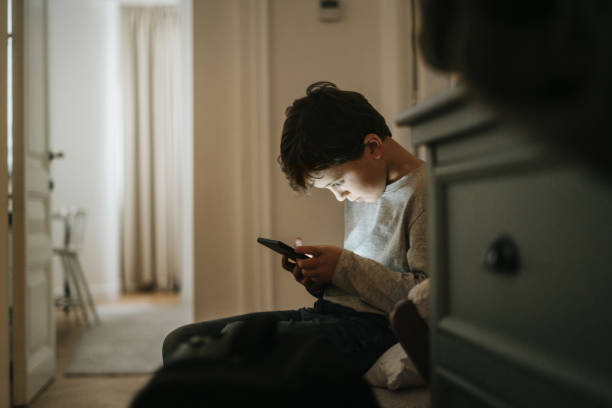
These days, I catch myself doing everything with a screen in front of me: eating, walking, even waiting in line.
I’ll scroll, text, or watch something just to fill the silence. But when I stop and think about it, I realize how little I actually notice anymore.
I can’t remember the last time I ate without my phone next to me, or the last time I walked somewhere and just looked around instead of checking my messages.

It’s ironic. We live in a time when we can connect with anyone instantly, but real attention, the kind that builds relationships, feels harder to find.
Technology makes it so easy to be half-present.
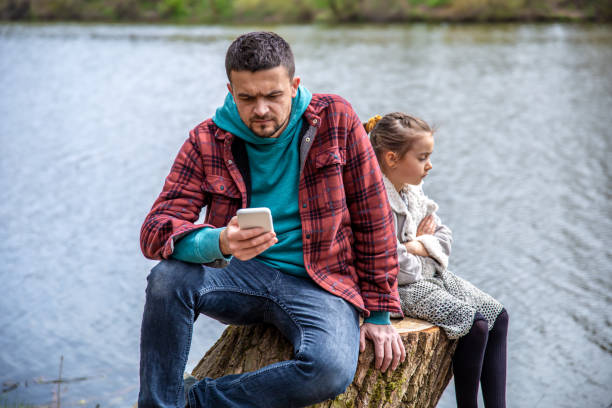
You can be in the same room with someone but completely somewhere else. You might be laughing at the same show, but not actually sharing the moment.
What My Parents Got Right
Looking back, I see how much my parents understood the value of being fully there.
My dad used to tell stories from Chinese classics during our evening walks. I didn’t realize it then, but those stories were how he connected our world with his. They were his way of teaching without lecturing.
My mom was the quieter one, but she always made sure we had time together.
Weekends were for family, not for work or school, but for us. We’d go hiking, visit friends, or spend the day cooking. She made family time feel like something sacred.
At the time, I sometimes wanted to do other things. I wanted to go out with friends or play games.
But now, those are the moments I miss the most, because they were real.
The Cost of Constant Connection
Research from the Journal of Marriage and Family found that screen time has replaced nearly a third of in-person family interaction in the average household.
It’s not just kids who are distracted; parents are too. We check messages during meals, scroll before bed, and take work calls on weekends.
The result is that families talk less, listen less, and feel more distant even when they’re together. The attention that used to go to each other now goes somewhere else.

I see it everywhere: friends hanging out but each person on their own phone, parents texting during dinner, even couples scrolling side by side in silence.
And it makes me wonder what all of us are missing.
Relearning How to Pay Attention
The more I think about it, the more I realize that paying attention is a skill.
It’s something you have to practice, like learning to play an instrument or cook.
You don’t build it by accident; you build it by intention.
Here are a few things I’ve been trying to do that remind me of the family habits I grew up with:
Eat without screens.
Even if it’s just one meal a day, put the phone away. Sit down and eat without checking anything. It’s harder than it sounds, but it changes the whole experience.Go on walks.
No headphones, no podcasts, no music. Just walking. That’s when your mind starts to quiet down and you notice things again: the way light hits the trees, the sound of people talking, the rhythm of your own steps.Make weekends intentional.
My family used to set aside weekends for outdoor activities. I’ve started doing that again: hiking, cooking with friends, even sitting outside with tea. The point isn’t what you do; it’s that you do it on purpose.Listen deeply.
When someone is talking to you, don’t think about what you’ll say next. Just listen. It sounds small, but real listening is one of the most powerful ways to show love.Make attention a ritual.
My parents had rituals, meals, walks, weekend plans. Those small habits kept our family close. I’ve started creating my own now: a Sunday check-in call with my parents, a weekly dinner with friends. Little ways to stay grounded in the people who matter.
Why It Still Matters
We’re entering an age of AI, automation, and endless content. Everything moves fast.
But no technology can replace the kind of attention that makes someone feel seen.
That’s what I learned from my parents.
They didn’t have to talk about mindfulness or balance; they just lived it. They taught me that paying attention is one of the purest ways to love someone.
Now, when I look at the world, I realize how rare that is, and how needed. Families are busier, screens are louder, and real connection takes more effort.
But if we can protect that small space, the dinner table, the walk, the weekend, we can still keep what matters most.
Because attention, when you give it fully, is the most human thing we have left.