
I grew up thinking more was always better.
By middle school I was juggling soccer, basketball, and swim. I played piano and cello. I volunteered. I interned in government, worked on campaigns, ran three clubs, started a small business, and chased every line I thought would impress someone reading my applications.

On paper it looked great. In real life I was tired, thinly spread, and not really in love with any of it.
The hardest part was I could not drop anything. If a friend added two new activities, I felt behind. If someone became captain, I wondered what I should add next.
It stopped being about joy and started being about volume.
Only when I cut most of it and kept a few things I actually liked — writing, playing sports, and political volunteering — did I feel present again.
I started getting good at the things I cared about because I finally had time to care.
How the arms race starts
A lot of us inherit this mindset from high school. Adults tell kids to show leadership, stack activities, and keep the résumé full.
That habit is hard to unlearn in college and beyond, so the schedule stays crowded even when no one is asking for proof anymore.
As one professor wrote, students can get so busy “differentiating” with extras that the extras crowd out the learning they came for in the first place.
Parents feel it too. Nobody wants their kid to fall behind. Tryouts, clubs, APs, tutoring, travel teams.
If your kid is on two teams, should mine be on three. It creeps up like a tax on free time until the open hours are gone.
What the research is saying now
Economists recently analyzed time diaries from thousands of K–12 students to see what happens as homework and enrichment hours pile up.
Their headline finding was simple and uncomfortable. The last hour does not help academics and it hurts well being.
Anxiety, depression, and anger go up once you cross a certain load, especially in high school. Sleep and social time get eaten first.

That is not a blanket attack on sports or clubs. It is a warning about totals.
At some point the graph flattens for grades and drops for mental health. Adding more looks productive from the outside and feels terrible on the inside.
We also know what too much structure can crowd out.
Unstructured play and “nothing time” are not lazy. They are where kids practice starting ideas, managing themselves, and recovering.
When every hour is organized by an adult, those muscles do not get used.
What it felt like from the inside
For me, the schedule became a story I performed. I showed up everywhere, shook hands, smiled for pictures, and did just enough to hold my spot.
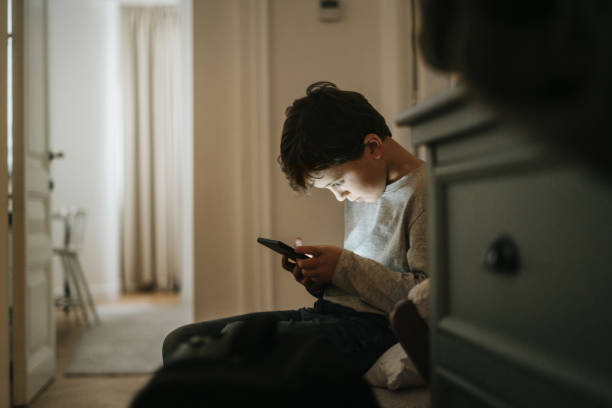
I was competent and empty. If I had a free evening, I felt guilty. Rest meant losing ground.
I said yes to roles I did not want and stayed in rooms I did not enjoy because quitting felt like failure.
Here is the part I do not hear enough kids say out loud.
When you are doing everything, it gets hard to love anything.
Curiosity dies first. You stop wandering down rabbit holes. You stop staying after practice to mess around just because. You do not get weird or original. You get efficient.
The turning point
I remember the day I counted my activities and realized I could not name one I would defend with my whole chest.
That bothered me more than any grade or title ever did.
So I tried a simple rule. Keep three anchors and let the rest go.
For me it was writing, a sport I actually looked forward to, and political volunteering that put me on real doorsteps with real people.

Everything else became optional or seasonal.
I worried I would fall behind. Instead my work got better, I slept more, and I started to feel like myself.
Signs your schedule is running you
Here are a few gut checks I now use with my own family and with kids I mentor.
You dread the thing you “love” at least once a week.
You cannot name one free afternoon in the last seven days.
You eat dinner in the car more than at a table.
You only try activities where you can be good right away.
Your friend group is only the people in your activities and you never see anyone else.
If two or more are true, the calendar might need a reset.
What actually helps
This is what worked for me then, and what I encourage now.
Pick anchors, not ornaments. Choose one or two things that make you feel alive and useful. Protect them. Let everything else be truly optional. If a season gets heavy, scale down somewhere else. You cannot do varsity everything.
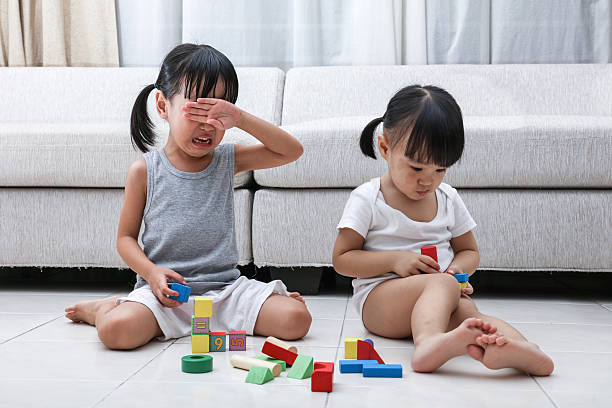
Schedule white space on purpose. If you do not defend open time, the world fills it for you. Put “nothing” on the calendar and keep it. That “nothing” can be a walk, a pickup game, a book, or sitting on the floor with a sibling and building something silly. The point is that a kid chooses it and no one is grading it.
Sleep before slots. If an added activity steals sleep, it costs more than it shows. Protect sleep like you protect practice.
Depth over badges. Spend fewer hours and go deeper. Read beyond the handout. Stay after to help the coach clean up. Teach a younger kid what you know. Make something on your own.
Create off ramps. Make it normal to pause midseason if a kid is drowning. Frame it as a shift, not a shame. “We are taking a two month break and then we will reassess.”
Detach identity from output. This one is for parents and for younger me. Your kid is not a college application. Your worth is not a spreadsheet. Home should be the place where mattering is never at risk.
What I would tell the overbooked version of me
You can be excellent without being everywhere.
You can rest without falling behind.
You can stop racing your friends and start running your own race.
If you keep everything, you will remember almost nothing. If you choose a few things, you will remember them all.
The arms race is loud, but you do not have to enlist.
Pick your anchors. Defend your white space. Trade some badges for depth.
When you do, you get your curiosity back. You get your weekends back. You get yourself back.
And that, not another line on a résumé, is what lasts.