
When September hits, I can feel the calendar tighten. School starts, sports tryouts begin, the tutoring flyers come home in backpacks, and the group chats light up with sign-ups.

Parents ask each other the same question at the sideline. What are your kids doing this fall. Then the second question. Are we doing enough.
I know this season well. I grew up in a family that lived at the fields and courts. The four of us played different sports, so every day had a destination. Soccer on Monday. Basketball on Tuesday. Swim meets on weekends.
We ate dinners from the passenger seat and learned each other’s practice schedules better than our own birthdays. It sounds intense, but I loved the togetherness of it. We shared snacks in the car. We cheered for whoever was up next. We learned to show up for each other.
At the same time, I remember missing slow afternoons. Days when I could ride my bike, build something in the garage, or sit with my dad on our evening walks while he told me stories from the Chinese classics.
Those empty hours gave me room to breathe and room to think. When I look back, both sides mattered. The structured time taught discipline and commitment. The unstructured time taught creativity and self direction.
This tension is the heart of the over-scheduling problem. It is not that activities are bad. It is that many families have lost the white space around them.
When every hour is spoken for
I talk to a lot of parents who are running. Work. Carpool. Practice. Homework. Repeat. The week becomes a puzzle where the last piece is always sleep.
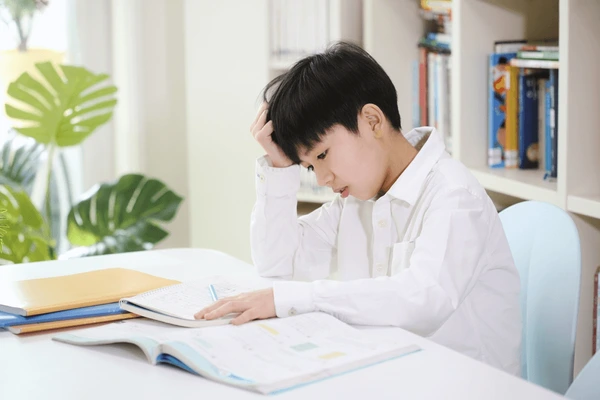
Kids carry a backpack for school and a second invisible backpack filled with deadlines, uniforms, and pressure to perform. By late September, I can hear it in their voices. I am tired. I do not want to go. I just want one day off.

I get why we do it. Activities feel safer than screens. Teams and lessons feel productive. A packed schedule can look like a plan.
I have felt that comfort as a parent and as a kid. If we are moving, at least we are not wasting time. But there is a cost when movement never stops.
Kids need boredom. Boredom is how the brain starts to make its own plans. When every minute is planned by an adult, children lose chances to choose, to try, to fail, and to figure out what to do with themselves.
I have seen kids who are wonderful rule followers at practice but feel lost on a free Saturday. They do not know how to start anything on their own. That is not laziness. That is a skill gap.
The pressure behind the calendar
There is another layer too. Over-scheduling is not just about time. It is about identity.
Some families measure worth by performance. The more medals, the better the kid. The more APs, the better the parent. We do not say it like that, but kids hear it.
I heard it when I brought home anything less than perfect. My parents wanted the best for me. Still, the message I learned was clear. Produce. Impress. Repeat.
When that mindset meets a full calendar, kids start to believe rest is failure. They stop listening to their bodies. They stop trying new things unless they can be good right away.
I have been there too. If your worth hangs on outcomes, then downtime feels dangerous.
A quick gut check
I use a simple check with families and with myself.
Are my kids sleeping enough.
Is anyone eating dinner sitting down at least a few nights a week.
Do we have at least one afternoon with nothing on it.
Does anyone still laugh at the end of the day.
If the answer is no to most of these, we do not need more grit. We need margin.
What helped in my home growing up
We were busy, but a few quiet rituals saved us.
Evening walks with my dad. They were short. Ten or fifteen minutes. He told me stories about Monkey King and Zhuge Liang. No grades. No coaching tips. Just stories. That small, steady ritual made the whole week feel lighter.
Chores together. We folded laundry as a team on Saturdays. We washed dishes in pairs on weeknights. It sounds boring. It was. But it also slowed us down and reminded us that home is not a hotel. You belong here. You help here.

One nonnegotiable at a time. There were seasons when a sport mattered most to one of us. During that season, other things stepped back. We said no to some good things so the best thing could get our energy.
Those choices did not solve everything, but they let me keep a real childhood inside a very busy life.
Screens, sports, and the empty hour
Parents often ask me which is worse. Too many activities or too much screen time. The truth is, both can eat the same thing. Free play.
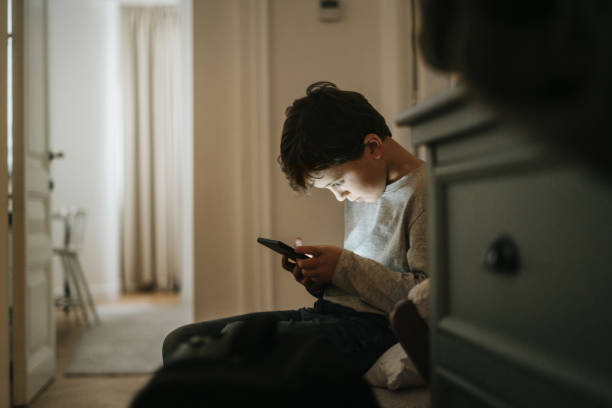
If we cut activities and do not protect the open space, screens will fill it. If we keep all the activities, screens sneak in anyway because kids are exhausted and want the easy hit.
The answer is not to swing from one extreme to the other. The answer is to defend the empty hour on purpose.
That might look like a phone basket at home after dinner. It might look like a block on the calendar that simply says Outside. It might look like telling a coach we are skipping a Sunday tournament because we promised Grandma we would visit.
You will feel strange the first few times you do it. You will also feel your home exhale.
How to right-size a busy life
Here is a plain way to start.
Write the week on paper. School, activities, commute, homework, meals, sleep. Be honest about travel time and packing time. The truth lives in the margins.
Circle the nonnegotiables. Sleep. Family dinner two or three times. One block of unscheduled time. Keep those circles sacred.
Let each child choose one anchor. One sport or club that gets priority this season. Everything else is truly optional.
Keep one free afternoon. Guard it. Call it Family Night, Library Night, or Nothing Night. Do not fill it with errands. Protect it like a game.
Plan unscheduled fun. It sounds funny to plan unscheduled time, but it helps. Wiffle ball at the park. A walk after dinner. A tea on Sunday morning. These small repeats become rituals kids look forward to.
Create off-ramps. If a child is drowning, give them a dignified way out midseason. You can frame it as a break, not a failure. Confidence grows faster in spaces where a kid can breathe.
What I would tell my younger self
I would tell the kid version of me that it is okay to be excellent and still take a day off. I would tell my parents that a child is not a college application. He is a person who needs room to try, to rest, to be silly, and to be still.
I would tell the coach in me that bench time and free time can both build strong people.
Most of all, I would remind myself that a family does not need a perfect schedule to be healthy. It needs a livable one. A week with some purpose, some play, and some pockets of nothing.
That is where kids build the muscles they will use long after the trophies collect dust. Patience. Curiosity. Self direction. Joy.
September will always bring sign-ups and pressure. You cannot stop that tide. But you can choose how much of it comes into your house.
You can choose a season with a center. A home where there is room to breathe. A childhood that remembers slow walks, shared dishes, and one night a week where nobody went anywhere and everyone felt like they belonged.