


Let’s talk about something most families feel but rarely say out loud:
Favoritism is real.
Even if parents swear they love all their kids equally — and genuinely believe it — most siblings will tell you otherwise. One child gets more praise, more patience, more forgiveness. Another feels like they’re always trying to earn it.
It’s not always blatant. Often, it’s subtle. But according to recent research, those subtleties matter.
And they can leave emotional imprints that last a lifetime.
The Science Behind Who Gets Favoritism
A large-scale study published in Psychological Bulletin examined data from over 19,000 individuals.
Led by Dr. Alex Jensen from Brigham Young University, the research found that favoritism isn’t random — it often follows patterns based on birth order, gender, and personality.

Here’s what they found:
- Younger siblings tend to get more nurturing and support.
- Older siblings often receive more autonomy — but less emotional coddling.
- Daughters are slightly more likely to be favored than sons — a pattern noted by both moms and dads.
- Agreeable and responsible kids (those who listen, cooperate, and keep the peace) are consistently treated more positively, no matter their gender or order.
In short, being “easy” often earns you more grace — whether or not it’s fair.
The Emotional Weight of Being Less Favored
We often think of favoritism as sibling rivalry fuel. But the research shows it’s much deeper. Children who feel less favored are more likely to experience:
- Anxiety, depression, or low self-esteem
- Overachievement or people-pleasing behaviors
- Anger or distance in adult family relationships
Some kids internalize the belief that they’re “not enough.” Others grow bitter or disconnected — not just from their parents, but from their siblings too.
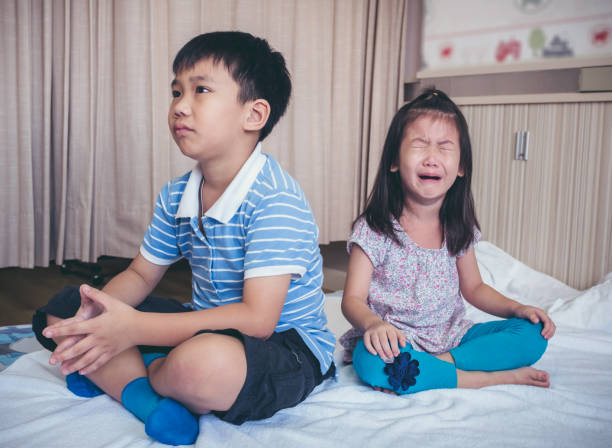
And here’s the twist: even the favored child doesn’t get off easy. They might feel pressure to stay perfect, guilt over the imbalance, or discomfort around their siblings. In many cases, it strains relationships that could otherwise be strong.
It’s Not Always Intentional — But It Is Impactful
Most favoritism isn’t deliberate.
Parents may simply relate more naturally to one child — they might share a similar personality, have aligned interests, or just be easier to handle.
Dr. Jensen points out that “sometimes parents get so concerned about treating their kids the same that they overlook individual needs.”
Fairness doesn’t mean identical treatment — it means being consistently loving, even when the expression of that love looks different.
And the kids? They notice everything — even if they don’t always have the language for it.
What Parents Can Actually Do
If you’re a parent reading this and feeling uneasy — good. That means you care.
Here’s what experts suggest:
- Be honest with yourself. Ask: Do I find one child easier to be around? Why?
- Spend one-on-one time with each child. Let them feel seen outside of their sibling dynamic.
- Don’t compare. Even a casual “Why can’t you be more like your sister?” can sting.
- Name your love explicitly. Tell your kids what you appreciate about them, not just what they do well.
- Repair openly. If your child says something feels unfair — listen. Even a simple “I didn’t realize that made you feel that way” can open the door to healing.
A Final Thought
Favoritism doesn’t always look like favoritism.
Sometimes it’s who gets the gentler voice when they mess up.
Sometimes it’s who gets asked to help clean up the most.
Sometimes it’s who gets comforted first.
But little patterns add up.
And if we want to raise children who feel truly loved — and who grow into adults who don’t carry silent wounds from their childhood — we have to start by paying attention.
Not just to how we feel about our kids, but to how we show it.
Because love, when it’s uneven, doesn’t always feel like love.
But when it’s intentional, balanced, and seen — it becomes the foundation of a lifelong relationship that actually lasts.