
Most people have never heard the word “parentification,” but a surprising number of us have lived it.
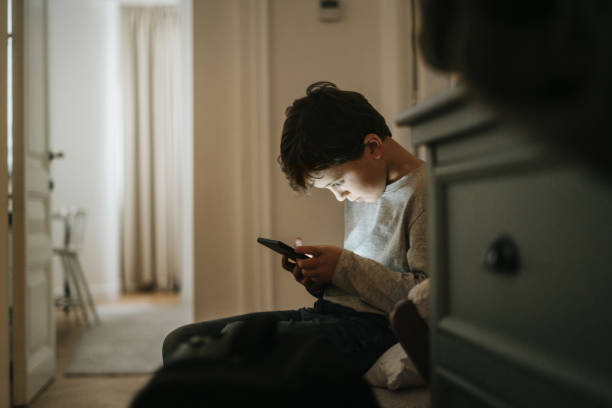
It’s the quiet kid who always seems mature for their age.
The sibling who schedules everyone’s doctor appointments.
The teen who sits on the couch after dinner, listening to mom vent about dad.
It looks like responsibility. It feels like love. But underneath it all, it’s a boundary crossed—one that leaves scars.
What is Parentification?
Parentification is what happens when the roles in a family get reversed.
The child becomes the caretaker—emotionally, physically, or both.

Maybe they take care of a depressed parent, play mediator during their parents’ fights, or act as the emotional confidant after a messy divorce.
It often happens subtly. A parent turns to their child in a moment of crisis and leans a little too hard.
Maybe they say, “You’re the only one who understands me,” or “You’re my rock.”
At first, the child may feel special. Needed. Grown-up.
But over time, the cost becomes clear.
Emotional Labor No Child Should Carry
When you’re a child placed in the position of emotional support for an adult, it distorts your development.
You become hyper-attuned to others’ feelings, often ignoring your own. You feel responsible for everyone else’s emotional state.
And you start to confuse love with self-sacrifice.
Children are not equipped to handle adult emotions. And yet, so many are asked to.
According to therapists and researchers, emotional parentification can lead to:
- Chronic guilt for having needs of your own
- Difficulty setting boundaries in adult relationships
- Low self-worth based on what you do, not who you are
- Anxiety and hypervigilance
- A tendency to become caretakers or fixers later in life
It’s invisible trauma. No bruises. No broken bones. Just a slow erosion of childhood.
It Doesn’t Just Happen in Dysfunctional Families
That’s the hardest part. Parentification isn’t always the result of abuse or neglect. Sometimes it comes from deep love—but love that is misplaced.
A divorced parent who turns their teen into a best friend. A single mom who tells her son he’s “the man of the house.” A father who confides in his daughter about his failing marriage.
Often, the parents aren’t trying to harm their kids.

They might even think they’re creating closeness. But what they’re doing is offloading their unmet emotional needs onto someone without the tools to carry them.
And kids don’t push back. They can’t. Because we love our parents. Because we want to help. Because we think it’s our job.
Why It Matters Now
As adults, many of us carry the burdens we took on as kids.
We become perfectionists. Overachievers. People-pleasers. Or we struggle with intimacy, feeling like it’s dangerous to be vulnerable.
I see this especially in immigrant families, where survival demanded that children grow up fast.
But this dynamic transcends culture. Any child can be parentified. And it always comes at a cost.
Breaking the Cycle
If you were a parentified child, here’s what I want you to know:
- Your needs were real, even if no one acknowledged them.
- You didn’t fail your parents. They failed to protect your childhood.
- You deserve support, softness, and care without having to earn it.
And if you’re a parent reading this: it’s never too late to recalibrate.
Children need to feel safe, not responsible for your safety. They need your protection, not your problems. They need space to grow into themselves, not into your therapist.
Final Thoughts
Parentification is often invisible—but its effects echo across lifetimes.
It doesn’t make you weak if you’re struggling with boundaries, with anxiety, or with burnout from always being the “strong one.” It just means your childhood was hijacked by someone else’s pain.
The good news is: that story can be rewritten.

You can parent yourself now. You can give yourself what you never got. You can grow—not because you had to, but because you choose to.
For more on how emotional dynamics shape families, follow along at A Tiger Cub.
If this resonated, feel free to share it with someone who might still be carrying the weight of someone else’s pain.