

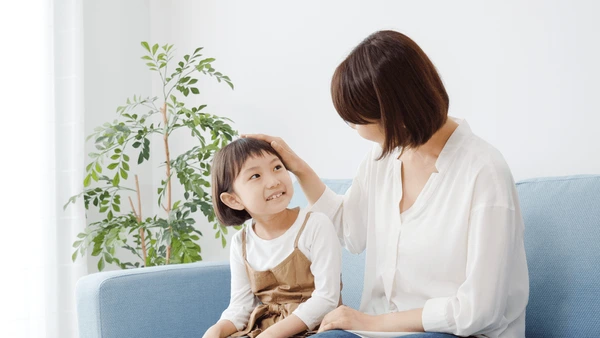
We all do it.
Your kid brings home a decent drawing. You blurt out, “WOW! You’re amazing!”
They share their cookie with a sibling. “You’re such a good kid.”
They finish a puzzle. “You’re a genius!”
But behind those good intentions? There’s something else happening.

Without meaning to, we may be raising kids who are hungry for praise — not progress. Dependent on validation — not driven by it.
And here’s the truth: praise isn’t bad. But how we praise makes all the difference.
Let’s break it down.
Don’t Praise the Person — Praise the Process
Saying “You’re so smart” sounds lovely. But it plants a seed we don’t want to grow.
Kids who hear that over and over start to believe their worth lives in the outcome — not the effort. And when they struggle? They think something’s wrong with them. “Maybe I’m not that smart after all…”
Now say this instead: “You really focused on your math today. I saw how long you stuck with that problem — that was awesome.”
It shifts the focus from innate ability to effort.
From fixed mindset to growth mindset.
From “What will make my parents proud?” to “What can I try next?”
Be Specific. Be Honest.
“Good job” doesn’t tell a child what they did right. And “That’s the best drawing I’ve EVER seen” just doesn’t fly — especially when your kid knows you’ve seen better.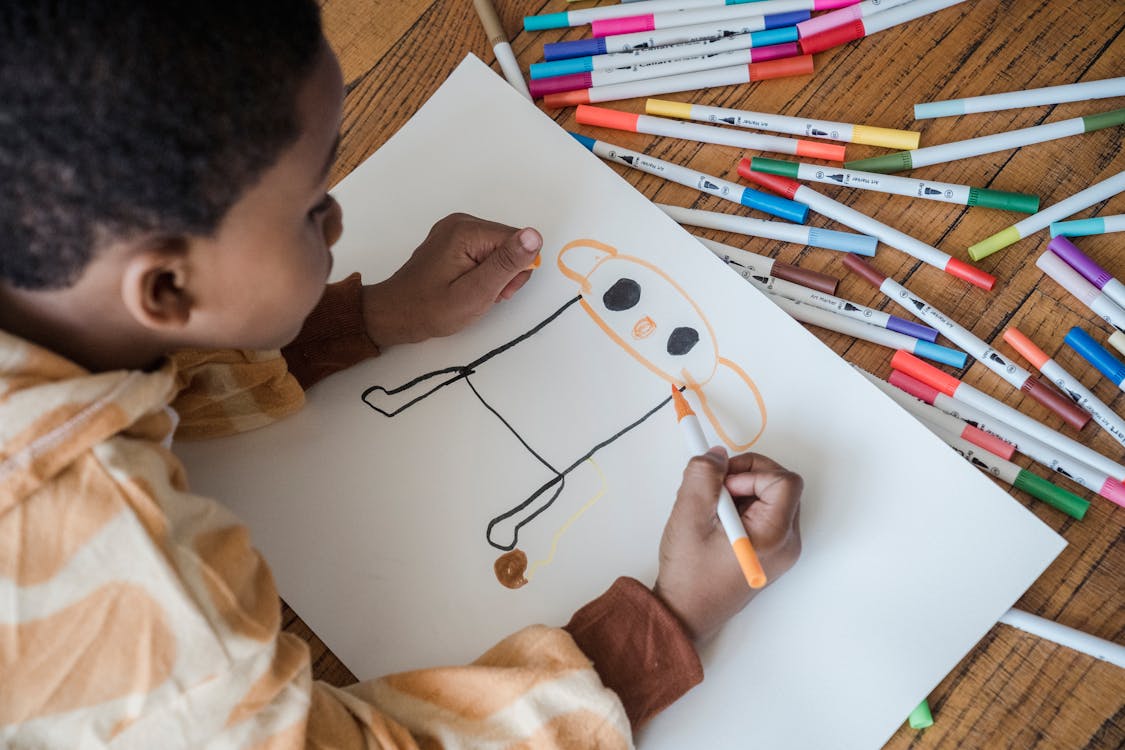
Try this instead: “I love the way you used color in the sky — those pinks and oranges really pop!”
Or: “You stuck with that even when it got hard. That kind of persistence will take you far.”
Praise that’s specific teaches kids what they should be proud of — not just what pleases you.
Don’t Just Praise Success. Praise Struggle.
At A Tiger Cub, we say this often: let kids struggle. Struggle is not the enemy — it’s the training ground.
If your child is afraid to fail, praise becomes a pressure point. They might avoid trying altogether just to protect the label they’ve earned: “smart,” “talented,” “perfect.”
Flip it.
Praise the failed attempt. The re-try. The mistake, followed by the lesson.
“I saw you didn’t get it at first — and then you took a breath, tried again, and figured it out. That’s powerful.”
That kind of praise builds resilience — the muscle that matters more than talent.
Focus on Internal Motivation
Praise should never become the prize.
If your child is doing something just to earn your approval, it becomes a transaction.
“Will I get the gold star?”
“Did they notice?”
“Am I enough now?”
We don’t want our children to crave our applause — we want them to feel confident when no one is watching.
So instead of, “I’m so proud of you,” try: “You should feel so proud of yourself. That took real effort.”
Teach them to measure success with their own ruler.
Look for the Little Things
Don’t wait for straight A’s or piano recitals.
Praise when your child helps without being asked. When they show kindness. When they almost lost it but took a deep breath.
“That was really generous of you to share your last cookie with your sister.”
“I saw you start to get frustrated, and then you chose to walk away. That’s hard to do.”
These are the moments that matter most — the quiet character-builders we often miss.
Skip the Comparison Trap
“You got the highest grade in the class!” sounds great… until they don’t.
Kids who learn to define success through comparison feel crushed the moment they’re not on top. Instead of growing, they shrink — scared of losing their place.

Instead, say: “You improved your score from last time — that shows your studying paid off.”
Make their own progress the measuring stick. That’s what sticks with them.
A Final Word from Bojji and Mom
At A Tiger Cub, we believe praise isn’t about perfection — it’s about presence.
It’s about noticing effort. Honoring growth. Encouraging heart.
Praise isn’t about building egos. It’s about shaping how our children see themselves.
So next time your child does something great, take a breath. Say less. Mean more. And remind them: it’s not about being the best — it’s about being better than yesterday.
Want more tools for mindful parenting? Download our free printable “Praise Prompts” cheat sheet — filled with specific phrases to build intrinsic motivation and emotional strength.
You’re not raising a praise junkie.
You’re raising a confident, kind, and resilient human.
And that’s worth celebrating.